
Where Details Meet
Finish carpentry is often the point where a room stops looking assembled and starts looking resolved. Uneven trim lines, awkward transitions, unfinished openings, or poorly fitted molding can stand out even when the larger renovation is complete. Luna Park Construction LLC brings construction experience dating back to 1996 to custom trim, millwork, built-ins, baseboards, crown molding, and other detailed interior woodwork.
01 Precision at the Edges
Baseboards have to follow floors. Crown molding has to meet ceilings and corners cleanly. Door and window trim needs to relate to the opening rather than simply cover a gap. Good interior finish carpentry depends on measurement, proportion, joinery, and how separate materials meet. Through our Seattle general contractor services , Luna Park Construction LLC can incorporate finish work into broader remodeling or handle detailed carpentry where a room needs its final layer. The goal is not to add ornament everywhere. It is to make each piece look intentional where it belongs.
Off your first project. New clients booking finish carpentry with Luna Park Construction LLC receive 5% off contracted labor. Mention it when you call.
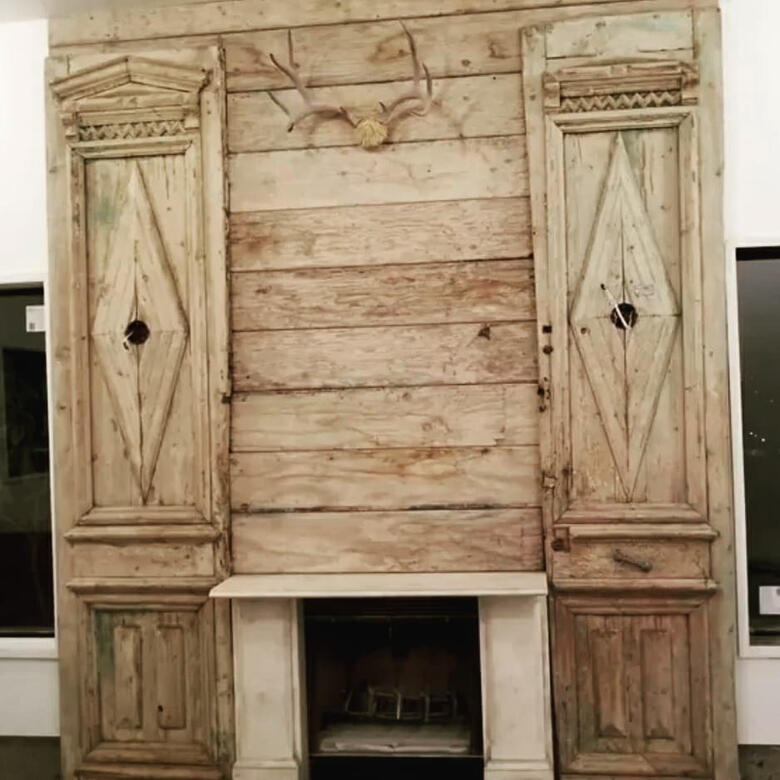
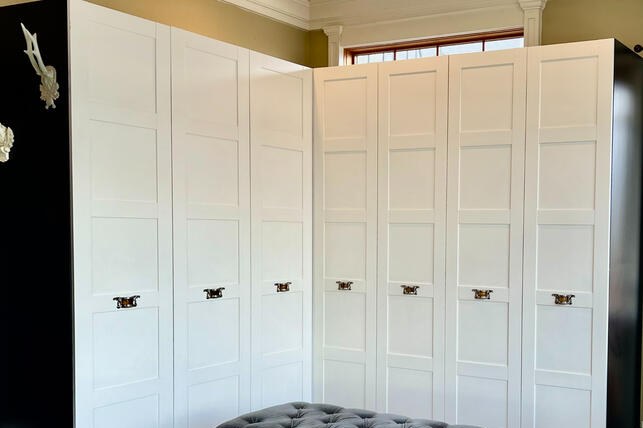
Walls, floors, ceilings, openings, cabinetry, and existing trim reveal where pieces need to meet and where irregular conditions may affect the fit.
Trim width, molding profile, reveal, placement, and alignment are considered against the size and style of the surrounding room.
Corners, doorways, windows, cabinets, floor changes, and adjoining materials are mapped before pieces are cut.
Mitered, coped, square, or other joints are prepared according to where the material changes direction and how the surfaces meet.
Individual components are positioned, adjusted, and installed so lines remain consistent across longer runs and around openings.
Joints, nail locations, transitions, edges, and surface preparation are addressed so the carpentry reads as part of the architecture rather than an added layer.
A long straight baseboard run is very different from a room filled with corners, openings, built-ins, layered molding, or custom profiles. Material choice, wall condition, joinery, access, finishing requirements, and the number of transitions can all change the labor involved. Detailed carpentry is best estimated from the actual work rather than room size alone.
Older walls may not be perfectly straight, floors can change elevation, and previously remodeled openings may not match one another exactly. Finish carpentry has to respond to those realities rather than assuming every corner is square. Careful fitting helps trim and millwork sit naturally against the surfaces already in the home.
Detailed carpentry frequently follows larger renovation work. A kitchen remodeling contractor project may need casing, baseboards, or cabinetry-related trim, while bathroom remodeling services can leave transitions around doors and adjoining walls to resolve. New window and door installation may also require interior casing and finish work around the opening.
Free walkthrough, written estimate, and 5% off your first project.
Trim, molding, built-ins, casing, and millwork.
Clean proportions, joints, edges, and transitions.
Remodeled rooms, openings, walls, and cabinetry.
Free, line-itemed, and based on scope.
Finish Carpentry FAQs
Profiles, materials, built-ins, existing surfaces, and finishing details all influence custom carpentry. These answers cover several practical decisions worth making early.
Finish carpentry generally refers to visible interior woodwork installed after the main structural construction is complete. Examples include baseboards, crown molding, door and window casing, millwork, built-ins, trim details, and other components where precise fit and appearance matter.
Framing creates the underlying structural skeleton of walls, floors, roofs, and openings. Finish carpentry deals with the visible details applied later. Its focus is typically on fit, alignment, proportion, joints, transitions, and how completed surfaces look within the room.
Sometimes. Matching depends on the existing profile, dimensions, material, age, and availability of comparable millwork. Where an exact match is not practical, the goal may shift toward choosing a profile that relates naturally to the surrounding trim.
Yes. Built-in carpentry can be planned around alcoves, wall recesses, corners, or other areas where standard furniture does not use the available dimensions well. The design should account for access, storage needs, surrounding trim, and the actual shape of the space.
It usually comes after major construction, wall work, and many permanent installations are complete, but sequencing depends on the project. Flooring, cabinetry, doors, and painting can all affect when particular trim pieces or built-in components should be measured and installed.
Finish the Room Properly
Trim, casing, molding, and built-ins may occupy less space than walls or cabinets, but they strongly influence how finished the room feels. Tell Luna Park Construction LLC where the details still need resolution, and we can define the carpentry around the space that is actually there.