
Protect the Exterior
Siding is more than the visible skin of a house. Panels, trim, flashing, weather barriers, and the transitions around windows and doors all affect how the exterior manages moisture. Luna Park Construction LLC has worked in residential construction since 1996, handling siding installation and replacement as part of the larger building envelope, not as a surface-only upgrade.
01 Protection Behind the Finish
Fresh cladding can improve the look of a home, but appearance is only one part of the job. Existing sheathing, weather barriers, flashing, penetrations, trim, and moisture pathways need attention before new siding starts covering the exterior. Working as a Seattle general contractor , Luna Park Construction LLC coordinates residential siding installation around the surrounding construction. Material choice matters, but so does how the siding meets windows, doors, decks, rooflines, corners, and other exterior transitions.
Off your first project. New clients booking a siding project with Luna Park Construction LLC receive 5% off contracted labor. Mention it when you call.
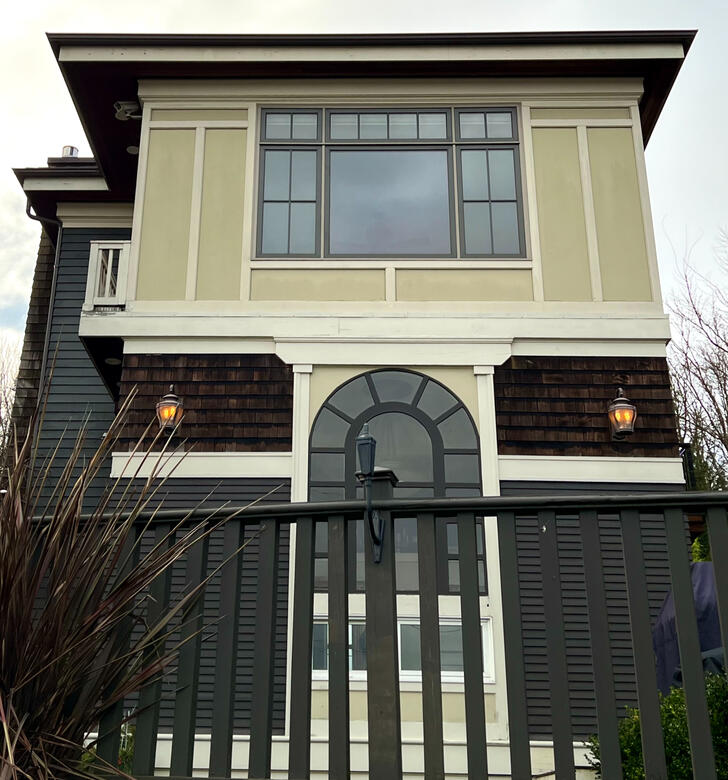
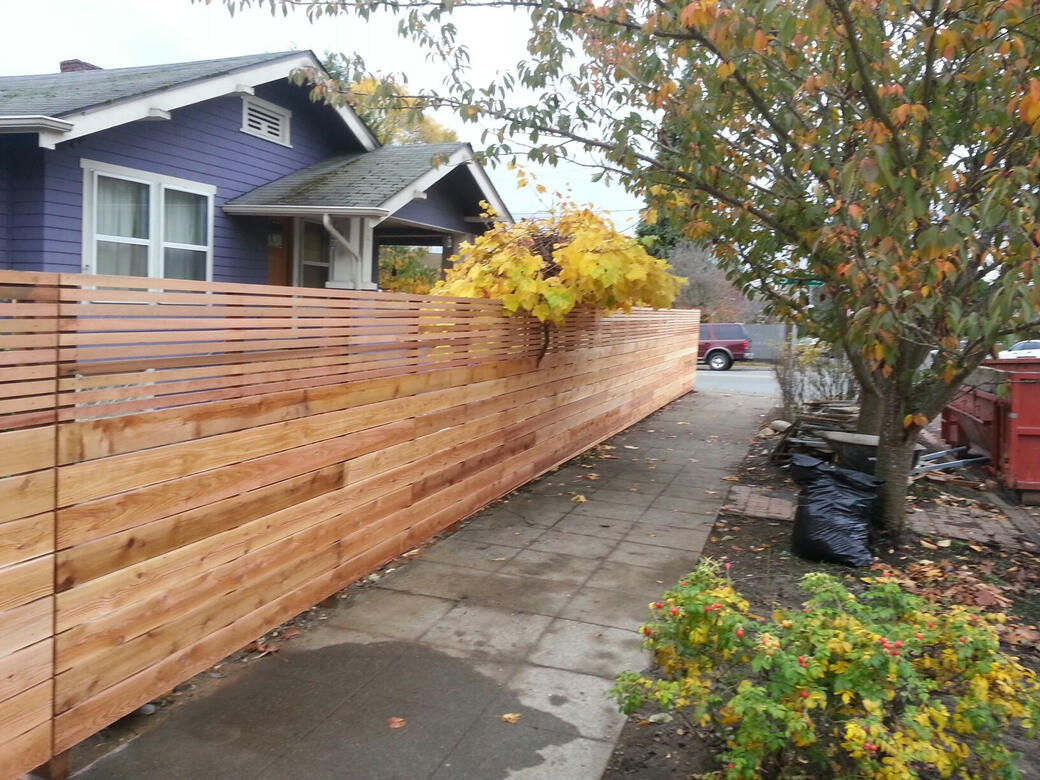
We look at the siding condition, visible damage, openings, trim, penetrations, and areas where moisture or age may have affected the exterior.
The condition of the current cladding helps determine whether localized repair, partial replacement, or broader house siding replacement makes sense.
Old material is removed where necessary so underlying surfaces, weather barriers, and flashing details can be reviewed and prepared.
Flashing, moisture-management details, and other required preparation are handled before finished cladding begins covering the wall again.
Siding, corner details, trim, and transitions are installed according to the selected material and the geometry of the exterior.
Openings, penetrations, seams, transitions, and visible finish details are reviewed so the completed exterior reads as one connected system.
Two homes with similar exterior square footage can require very different amounts of work. Removal needs, damaged underlying material, trim complexity, window and door openings, siding type, flashing details, wall height, and repair work beneath old cladding can all affect the final project cost.
Frequent moisture exposure makes exterior detailing especially important. Siding should work with flashing, weather barriers, trim, and openings to move water away from the wall assembly rather than trapping it behind finished surfaces. That is why exterior cladding decisions need to consider both the visible material and the layers behind it. You can also browse our remodeling project portfolio to see completed construction and renovation work from Luna Park Construction LLC .
New siding frequently intersects with other exterior work. Explore our window and door installation services when openings are part of the update, or consider custom deck construction when the surrounding outdoor structure also needs attention.
Free walkthrough, written estimate, and 5% off your first project.
Protect, renew, and finish the building envelope.
Fiber cement, wood, and other siding selections.
Weather barriers, flashing, trim, and transitions.
Free, line-itemed, and based on scope.
Siding Installation FAQs
Material choice, moisture protection, flashing, repairs, and replacement scope can all change the project. These are five questions worth answering early.
Localized damage may be repairable when the surrounding siding and wall assembly remain in suitable condition. Broader deterioration, repeated failures, widespread moisture concerns, or aging material across several elevations can make replacement more practical than continuing with isolated repairs.
A weather barrier helps manage water that gets past the exterior cladding and directs it away from the wall assembly. Siding itself is not the only moisture-control layer, so preparation behind the finished surface is an important part of installation.
Fiber cement can be used for many residential siding replacement projects, depending on the home, wall conditions, design goals, and installation requirements. Material selection should consider appearance, maintenance expectations, trim details, existing construction, and how the cladding integrates with openings.
Yes, but those transitions need careful attention. Existing windows and doors affect flashing, trim, clearances, and siding terminations. Their condition should be reviewed so the new exterior cladding connects properly rather than simply being cut around the openings.
Timing depends on home size, wall height, removal requirements, repairs beneath old siding, material selection, trim complexity, weather, and the number of openings involved. A straightforward installation follows a different schedule from replacement requiring substantial preparation or moisture-related repairs.
Protect What Is Underneath
Tell Luna Park Construction LLC what you are seeing on the exterior, from aging boards and damaged sections to a full siding replacement plan. The next step is understanding the wall condition, material goals, and scope behind the finished surface.